Higher Education: When Technology Changes at the Drop of a Hat

I was planning my visit to the Learning Technologies 2026 event in London when I first noticed it. As I scrolled through the lectures available, scanning the titles idly, something struck me. I leaned forward, sipped my coffee, and stroked my chin with my thumb and forefinger.
Almost all of the titles had something in common, and it wasn’t that 95% of them mentioned AI (even though they did). There was a similar group of words spread across the titles and descriptions. Here are some of the words I saw:
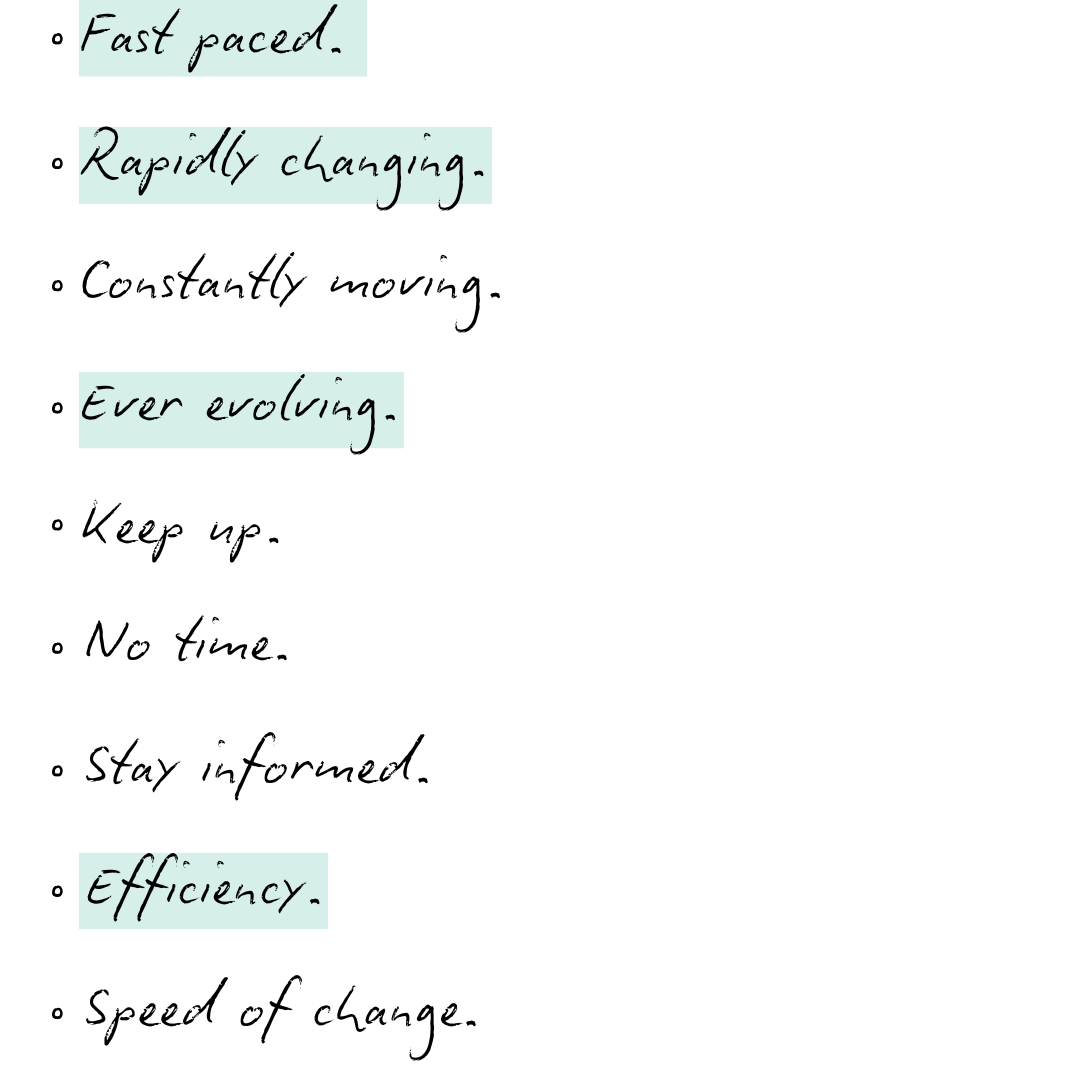
This wouldn’t have surprised me as much as it did if it weren’t for a meeting that I’d attended earlier in the week. I work in Higher Education in the education technology space, where topics on AI span policy, assessment redesign, staff training, and ethics. But one thing struck me in the meeting. The facilitator asked a question about student wellbeing in relation to AI. The word “wellbeing” struck me.
It was an interesting question: how can we support students' wellbeing as the world transitions to using AI?
In my mind, the question expanded into something more. This question isn’t limited to our students. Teaching staff are also struggling to grapple with, integrate, and support students with AI. Higher education institutions themselves are struggling with AI. I’m struggling, and I’ll hazard a guess that you’re struggling with it, too.
For me, the question becomes: how can we support human flourishing in a constantly changing, technology-saturated world?
Interestingly, AI is not mentioned in the broader question I’ve written. Perhaps within Higher Education, we’re missing what’s actually happening. It’s not AI itself that is impacting student wellbeing; it’s technology more broadly. And maybe it’s not even technology itself, but rather the fast pace with which that technology is moving.
AI might not be the problem, after all. The pace of AI is.
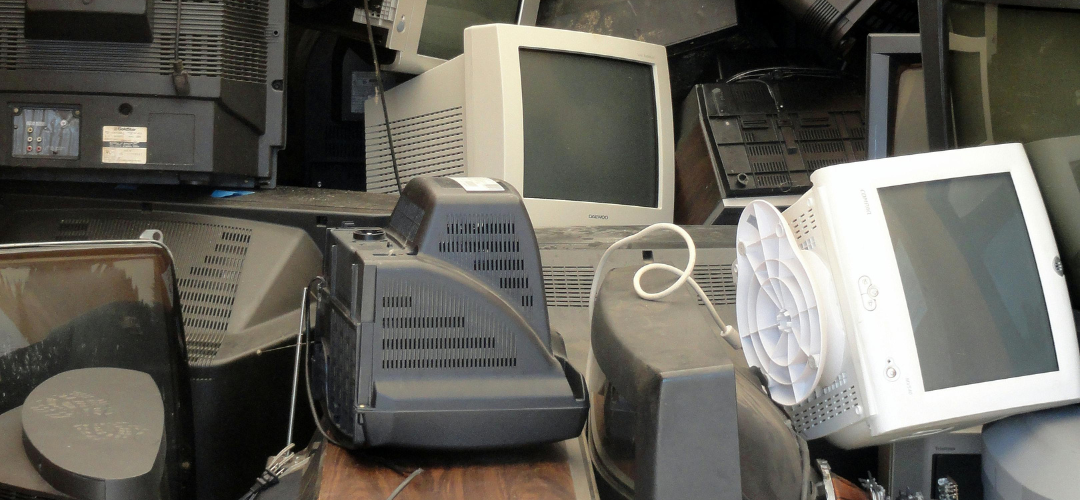
Our attempts to tackle policy, assessment redesign, staff training and ethics are perhaps futile if students (and ourselves) are not well-prepared to live and thrive in a world where technology changes at the drop of a hat. In other words, are we treating the symptom or the disease?
Research on technology and wellbeing is genuinely mixed, and the relationship is likely more complicated than we think. But what I keep coming back to is this: loneliness is on the rise, burnout is at record levels, and attention spans are measurably shorter. My hunch is that technology is playing a role.
So how can we learn not just to cope with the next AI tool, but to remain healthy, happy, productive, and capable human beings in spite of it all? I’m convinced that this is the issue beneath the issue, and I’m going to start exploring it here.
What we don't need is another platform or tool. What we do need is a framework for understanding our relationship with technology. One that helps us understand ourselves more, our happiness, motivations, productivity, and health more, and the relationship that all of this has to our use of technology.
I’ll attempt to create this framework, and I’ll report back soon.





Member discussion