Being Wild in an Organised System
Like most days, I’m sharing this experience from the train, a pen and paper in front of me, and cities passing by outside the window. It’s my first day back at work after travelling along the east coast of Australia for a family wedding. I had the absolute time of my life. Now, back in the UK and on my way to work, something strikes me as odd.
I can’t help but wonder - or marvel, really - at the structures that we humans have created. The organisation of little boxes stacked neatly on top of each other, with train lines and roads running like veins between built-up points. My commute suddenly feels organised, managed, and linear. I am part of a highly complex and defined system.
Buy a ticket > drive to the station > pay for parking > board the train at the specified time > alight at the relevant stop > walk to work > work eight hours > do the same in reverse.
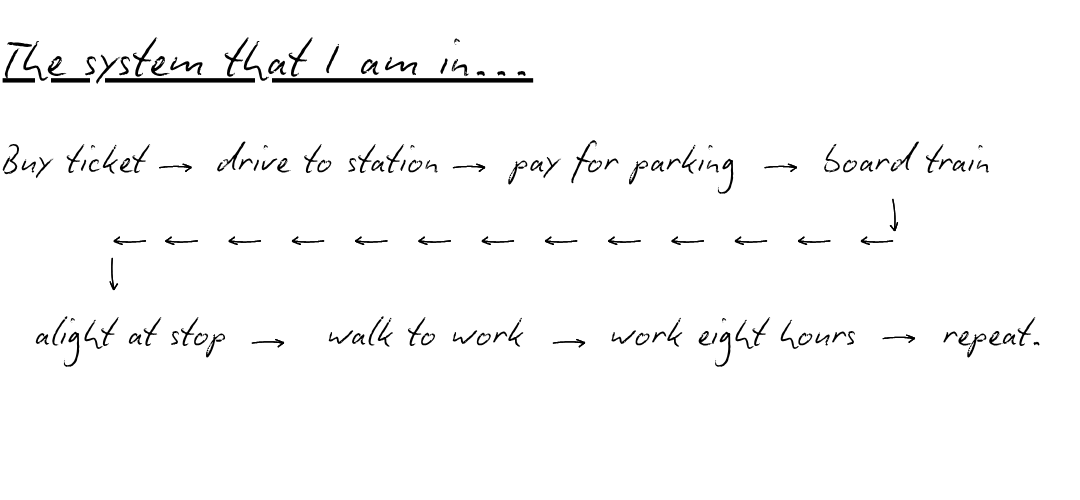
It’s not a bad system, but it is a methodical one. The system surprises me today because it’s my first day back to work after my travels, and while a similar system is present in Australia (particularly in the cities), it’s also diluted somehow. In Australia, most systems created by humans are commonly humbled by… nature. The reason for this is that there’s just a lot more of it, it’s bigger, and it’s more deadly.
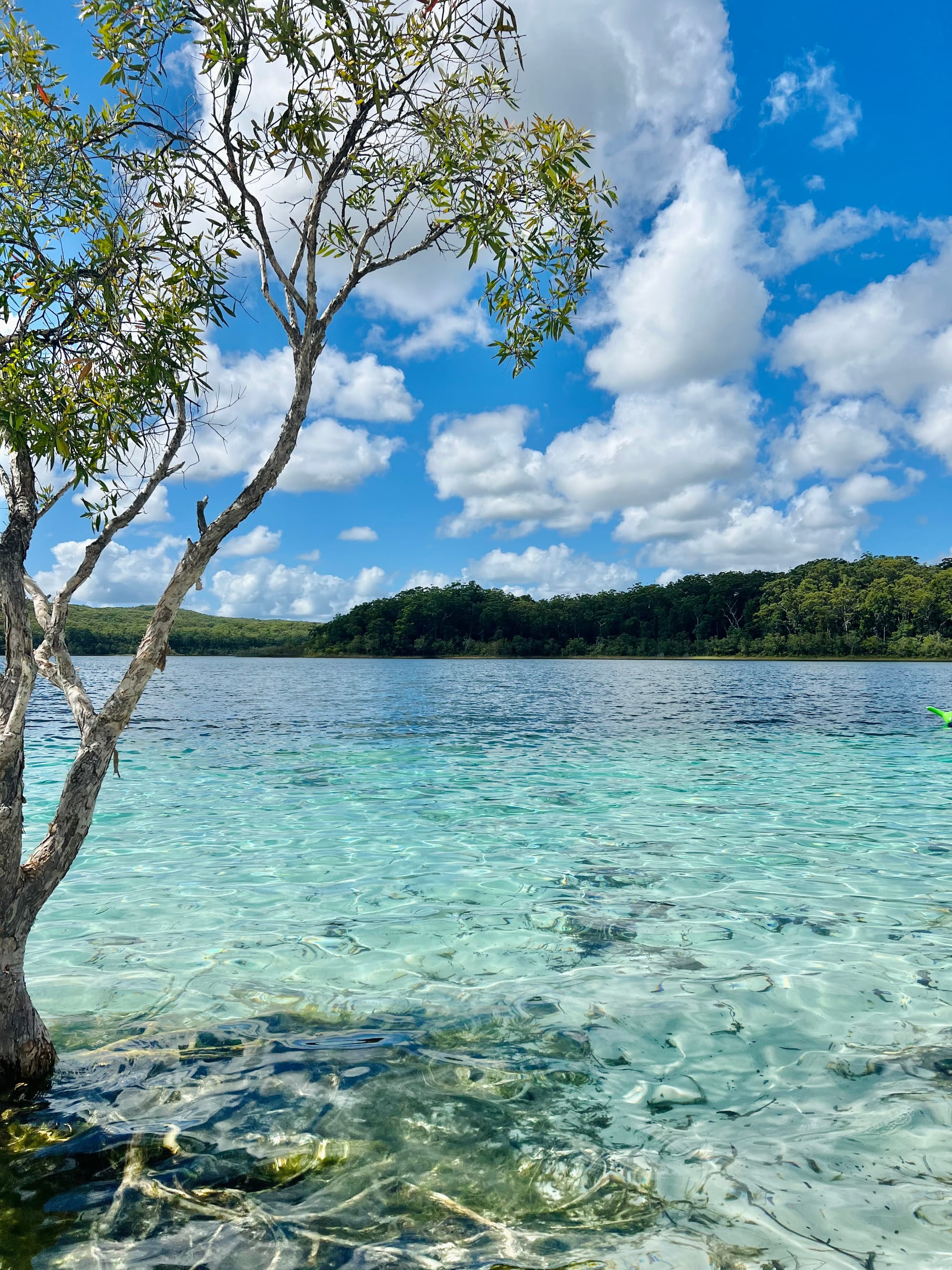
I visited K’gari Island while in Australia. It’s one of the world’s largest sand islands, and it was like nothing I'd ever seen before. No trains go to K’gari. No office worker survives there. No high-rises exist. No early morning commuters file in. It was, for want of a better word, wild. It was untamed. It was tangled roots and vines, and a forest floor littered with leaves.
While on K’gari Island, I swam in a crystal clear lake, bobbed down a freshwater creek, and hiked through forests. It was a far cry from my commute.
K’gari Island is beautiful, but it’s also utterly lethal…
You shouldn’t walk through unmarked paths because K’gari is home to some of the world's most venomous snakes and spiders. You shouldn't walk alone because the wild Dingos have been known to kill humans. You shouldn't go in the ocean because the shores of K’gari houses both sharks and stingers, not to mention that below those inviting blue waters are lethal rip tides waiting to drag you out and under.
Apart from that… It's paradise.
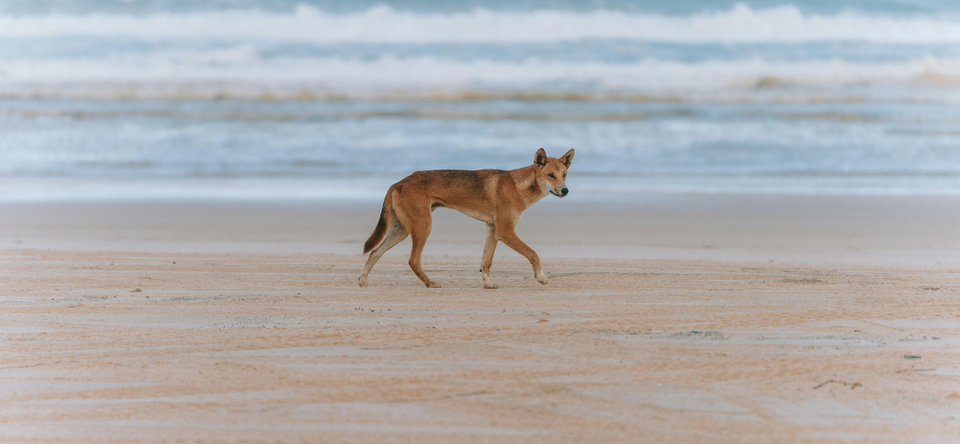
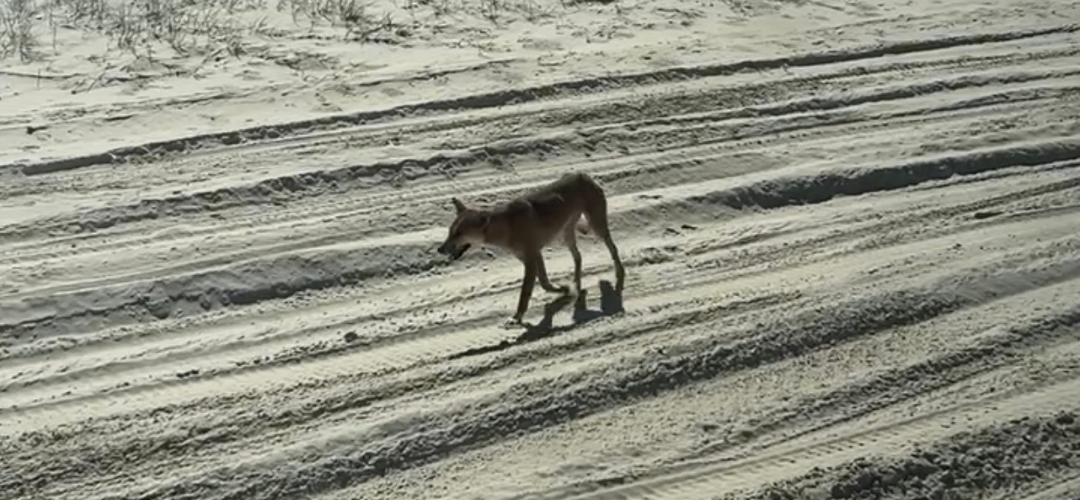
None of this really hit me until I saw a wild dingo for myself. It padded across the dunes of the beach, skin taut against its rib cage. It was beautiful and deadly in the same breath. And as I watched it, a world popped into my mind. Wild.
I felt something strange: yearning. A strange kind of longing for my own wild side.
When I’m working, commuting, or doing the weekly shop and putting the washing in the machine, things feel safe. Both organised and predictable. But on K’gari? Among the messy and untamed parts of our planet? I was reminded of where we come from, where humans were forged. Our modern world does seem so strange when compared to the one we once occupied. We seem to have swapped fresh air for screens and community for a solo Friday night takeaway.
They say that travel reminds you that the way you’re currently living isn't the only way to live. That’s what happened to me. Even as I sit on the train and admire the work of us humans - the cities, the train lines, the roads and the houses - I also know now that I am not a fixed asset within this organised system. I am probably more wild than the system suggests.
I am not a fixed asset within this organised system. I am probably more wild than the system suggests.
Thinking back to that wild dingo, what surprised me so much about this creature wasn’t just that it was wild, it was that it stood in such contrast to what most of the world has now been designed for: human structure and organisation. If this dingo can learn to live on its own terms in a world that is increasingly not designed for it, then perhaps so can we.




Member discussion