We Don't Have to, it's Uncomfortable, and Easier Options Exist: Teaching the Value of Struggle

I recently attended a talk by Professor Mike Sharples from the Institute of Educational Technology at The Open University. In it, he spoke about social generative AI, as well as how increased exposure to chatbots will mould and inform the way that we ourselves communicate, and that, in turn, changes the chatbots. It's a fascinating concept.
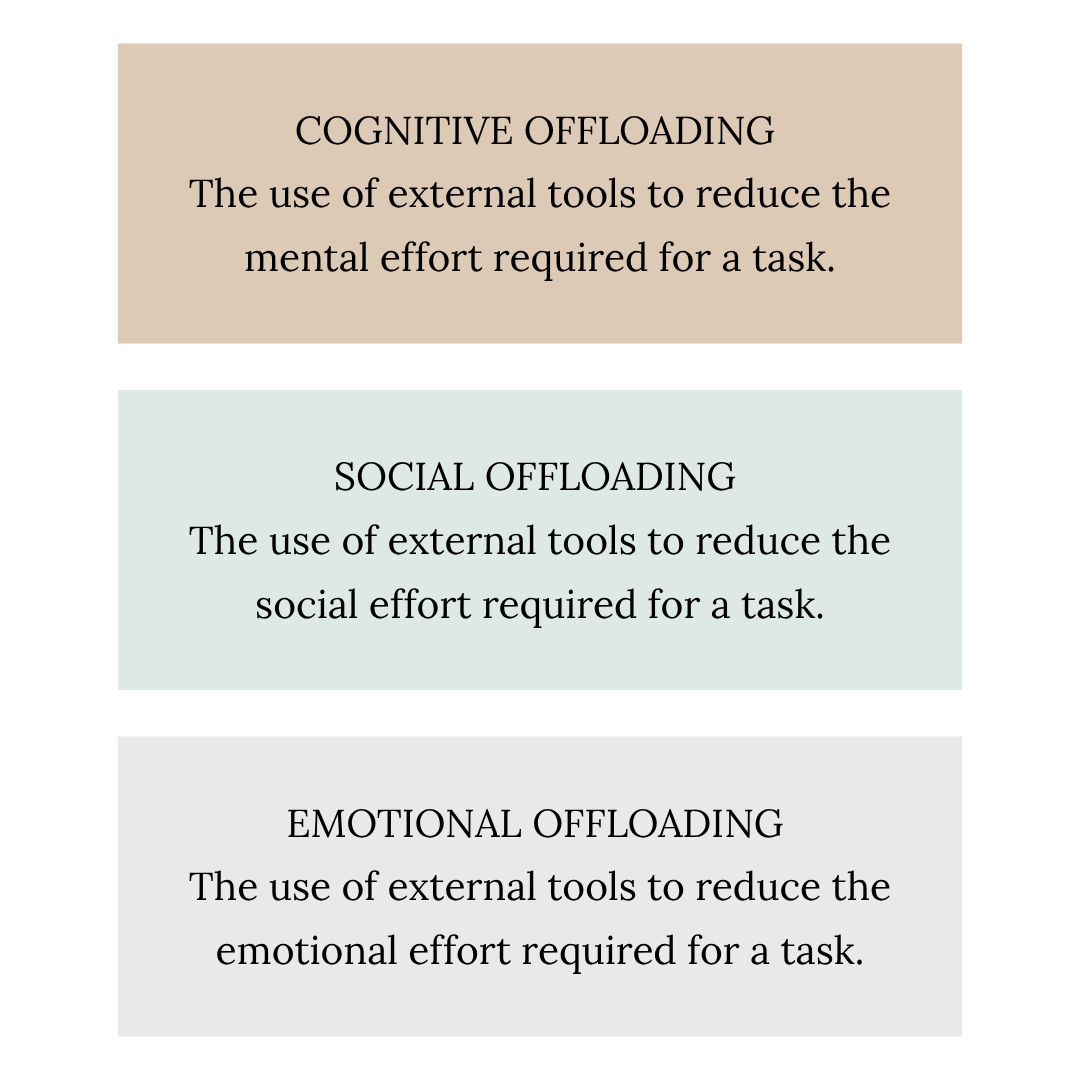
What struck me most about the talk was that Sharples made a distinction between cognitive and social offloading, the latter of which I hadn’t thought about before.
After listening, I realised that I would add a third: emotional offloading. Where we once would have sought support from a close friend, family member, or therapist, we now emotionally offload to AI instead. I’ve caught myself doing this in the past, finding it easier to talk to a machine about my problems than a person.
But much like cognitive and social offloading, emotional offloading risks stripping us of our current skillset. We might, arguably, become much worse at being vulnerable in the presence of other humans, keeping our struggles only for our AI companions.
At the end of the talk, I put my hand up to ask a question about how we might teach students to use AI more intentionally, retaining some of their skills and convincing them not to offload everything. I was impressed by the reply, in which Sharples essentially asked how we can get students to value hard work.
It reminded me of this Einstein quote:
"The capacity to learn is a gift; the ability to learn is a skill; the willingness to learn is a choice." - Albert Einstein
It also links to productive struggle, which is the idea that we can and should reject convenience culture on occasion because a bit of struggle is ultimately good for us. Pushing ourselves out of our comfort zones (beyond the zone of proximal development) gives us a sense of meaning, builds our confidence, and teaches us about our own capacities and resilience in the face of hard things.
This is something that many of us struggle with, not just our students. In my mind, the questions become:
How do we become willing to learn, even when we don't have to, even when it's uncomfortable, and even when much easier options exist in our immediate environment? And how do we teach others to do the same?
It’s a tricky question, I know. Part of the issue is that we often don’t know where the line between intentional and passive use of technology is, what exactly offloading is/isn't, and how we spot it. We need to start exploring it.
Otherwise, we risk passively offloading so much to machines that we lose part of ourselves in the process. We lose willingness and the ability to choose.
My working solution (and I’d love to hear your ideas too), is that we should build opportunities for productive struggle into both our lives and our teaching materials, as well as sharing stories focused on communicating the value of it.
Take my hobby as a gardener as an example 🌱
I could go to the shop and buy a packet of tomatoes. I could even order them to be delivered to my door. Sometimes, I do. But I also cultivate my own garden. I sow seeds, tend to young plants by watering and repotting them. I harden them off and plant them outside and, eventually, I harvest them. They always taste better than shop-bought ones, and I always feel far more satisfied eating them. I’m also reminded of how much goes into our food production, and how lucky we are to simply click a button and have a tomato at our door.
My capacity to garden is a gift; my ability to garden is a skill; but my willingness to garden is a choice. I have agency, and I’m actively using it to practice and enjoy the more difficult things.

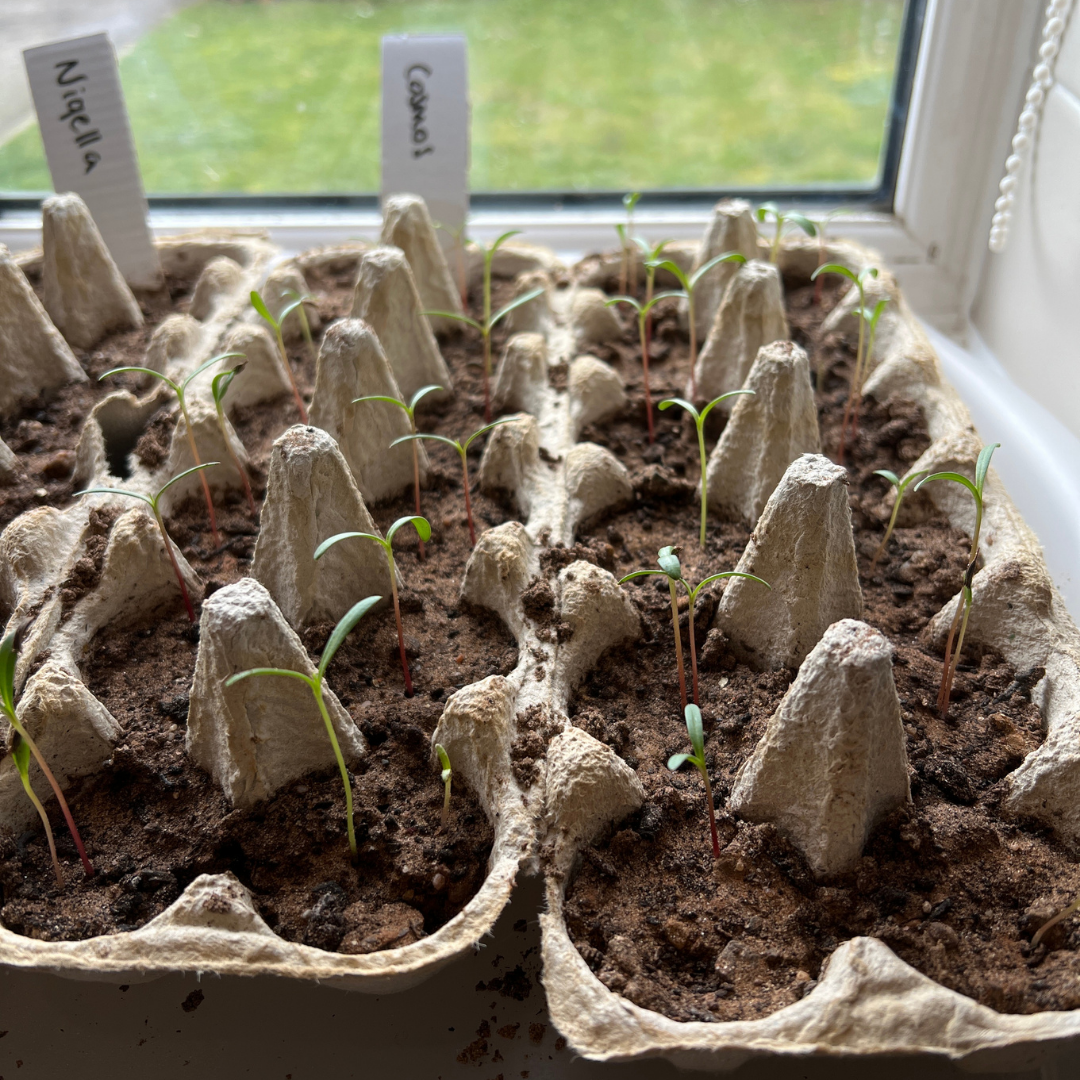

Photos of my gardening project
I think we could use stories like this one to show each other and our students that there is value in going the long way round. Not always, but sometimes.
By reflecting on productive struggle in our own lives, and by building opportunities to engage with it, we can retain the parts of ourselves that we perhaps wouldn't want to lose.
For me, this all connects to my broader questions on technology: productive struggle, the sharing of our own experiences, the willingness to talk about cognitive, social, and emotional offloading openly and honestly, and the ability to question common technology narratives, all for the purpose of serving us, the humans that live alongside it.
References:
Sharples, M. (2023). Towards social generative AI for education: theory, practices and ethics. Learning: Research and Practice, 9(2), 159-167. https://doi.org/10.1080/23735082.2023.2261131
Member discussion