The Eight-hour Adventure: Human Flourishing & ALTC26
I’d done everything right. I’d spent months preparing for the workshop that my wonderful colleague, Naomi, and I were due to deliver at the Association for Learning Technology Conference 2026 (ALTC26). I’d worked tirelessly on the abstract, meticulously put together the slides and running order, and worked with Naomi to nail timings and interactive elements. Like students preparing for an exam, we’d practised, refined, and ultimately created something that we were both proud of.
So, when I boarded my train on the 20th of October at 5 am, I felt ready. The path was laid out; all we needed to do was walk it.
But life seemed to have other ideas…
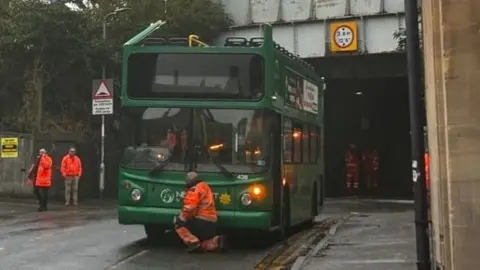

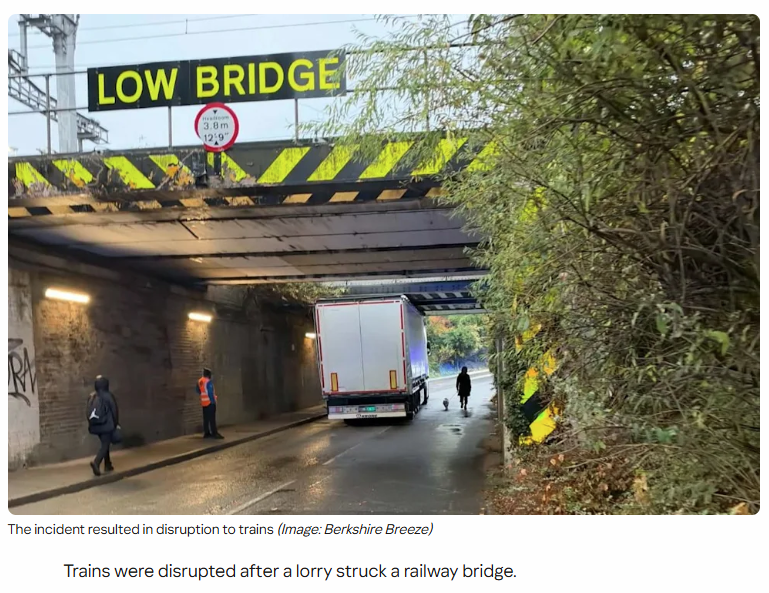

Not one, but two, collisions between a vehicle and a bridge occurred along my route. One at Langley (a lorry and a bridge), and one in Wales (a bus and a bridge).
As with most things that happen in my life, I texted my mum.

And yes, my mum did suggest I put my big girl pants on. Little did I know quite how much I would need them!
It ended up taking me eight hours to get to Cardiff. For context, it was meant to take three. I stood on eight different train platforms!
The eight-hour delay adventure wasn’t entirely the train’s fault. At one point, during some pandemonium at Bristol Parkway, as people ran from platform to platform looking for trains to their destinations, I gave up. I looked up at the notice board, and almost every train was cancelled. Even the staff told me I’d be better off turning around. And so I did.
I boarded the next train back to London, staring dramatically out of the window as raindrops trickled down the glass.
Until I got a text from Naomi…
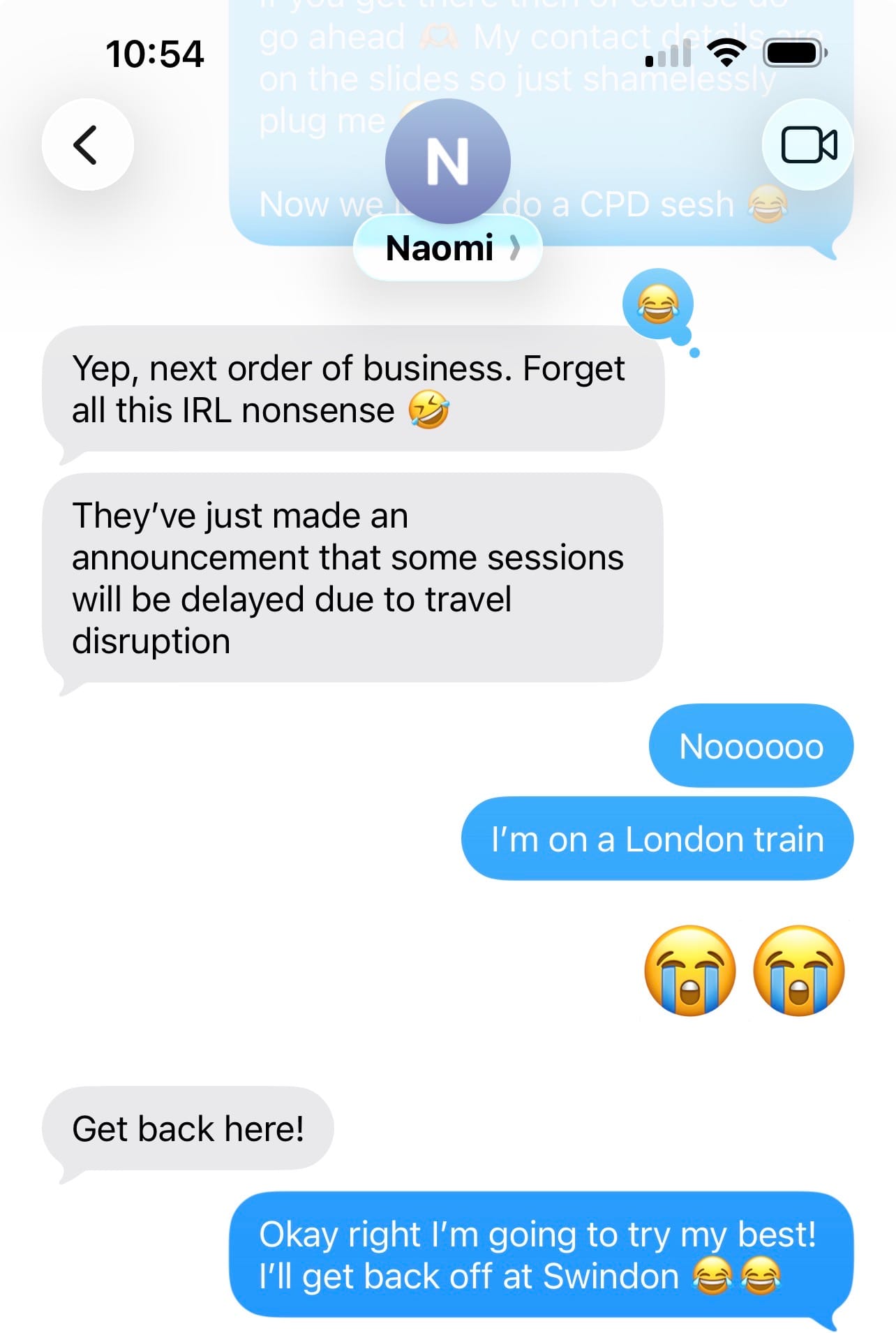
The conference organisers would delay the session. Imagine my face, 10 minutes into my journey back to London. With Naomi’s encouragement and a healthy dose of determination, I got back off the train at Swindon and promptly turned around (again!)
And yet, the journey still took too long. I arrived at the conference venue so late that I’d missed my own workshop, and Naomi gallantly facilitated it without me (thank you, Naomi!)
I won’t lie, I was a little gutted. I’d spent months preparing, and the subject we were presenting on - human flourishing, AI, and learning - is very close to my heart. I was looking forward to sharing it with others. But alas, some things are out of our control.
But then things started to turn around
By some act of beautiful fate, the conference organisers at ALTC26 kindly offered me a speaking spot on the main stage in the afternoon. I took it. Luckily, I had a deck of slides on the exact same topic that I’d delivered to some teachers at King’s College London just a month before. I could almost see my ducks waddling into a row.
I was exhausted, somewhat discombobulated, and a touch more nervous than I thought I’d be, but I finally got to deliver my talk, or at least a version of it. I even managed to include a joke about trains, which I’ll reproduce for you below.

And yes, the presentation itself really does open with a story about trains. Sometimes life throws you a moment of perfect irony.
And so our work ended up with two opportunities for visibility at ALTC26.
It’s funny, really, because this somewhat chaotic and unexpectedly meaningful journey ended up helping me think more deeply about flourishing itself. I’ll share that thinking here.
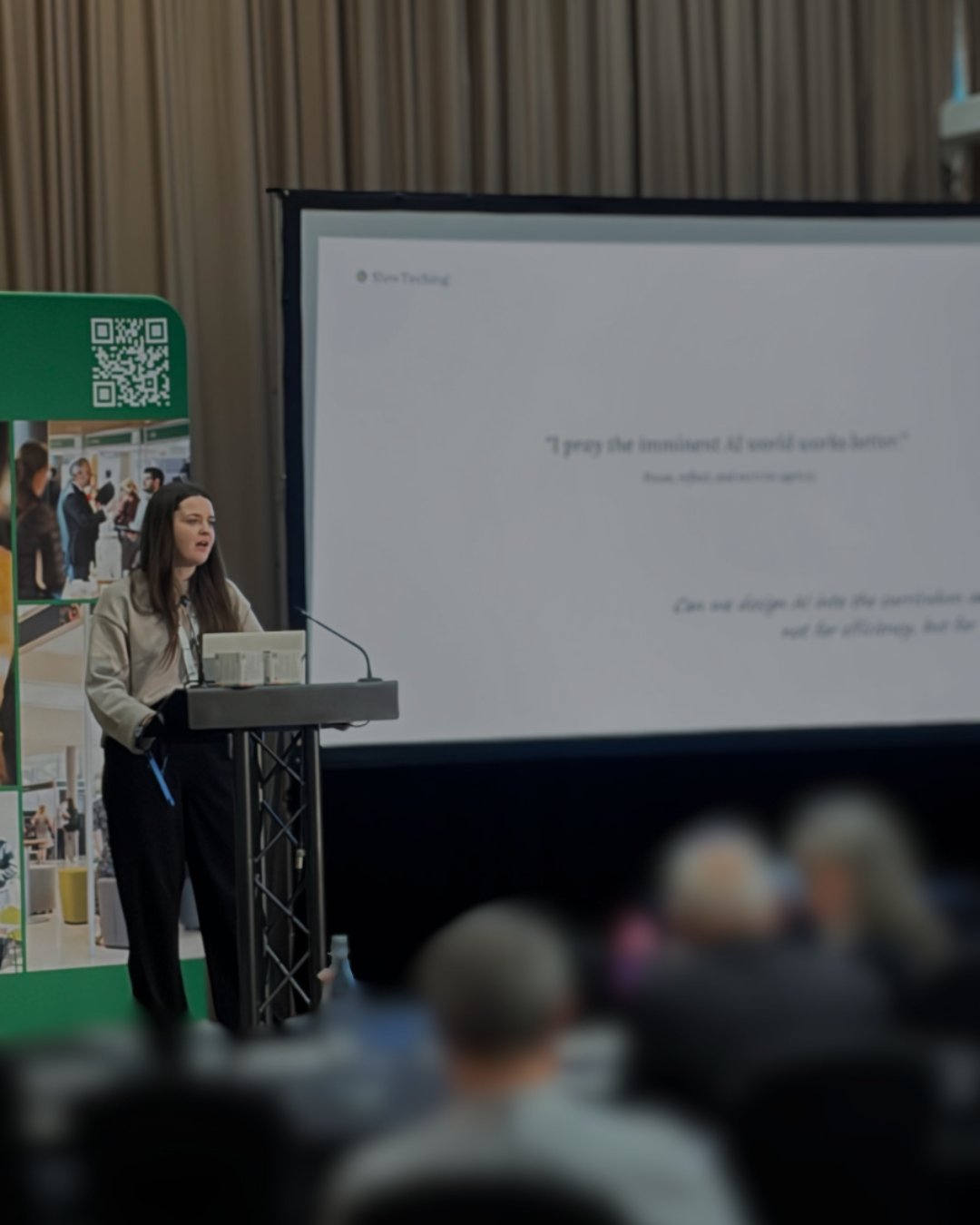
For flourishing’s sake
Let me briefly explain my presentation at ALTC26. The talk was centred on AI and human flourishing. The pillars of human flourishing that I covered are largely informed by the Harvard Human Flourishing Program (VanderWeele, 2017), the OECD Wellbeing Framework (Durand, 2015), and the PERMA model of positive psychology (Seligman, 2011). For me, flourishing consists of: Joy & Awareness, Productive Struggle & Character, Meaning & Purpose, Embodiment & Mental State, Belonging & Community, and Financial & Material Stability.
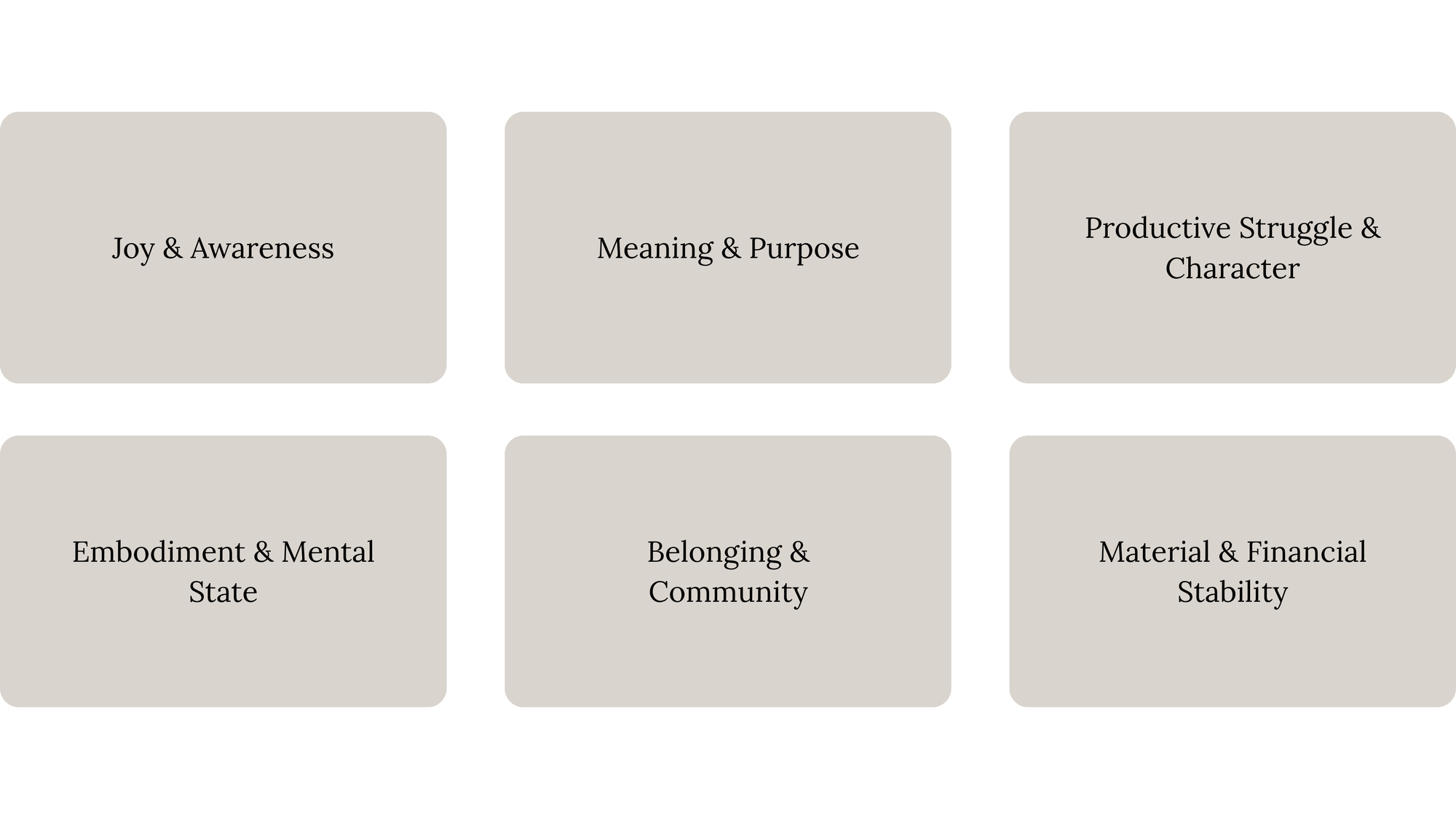
In the talk, I spoke about SlowTeching v0.1, an emerging reflective framework for better understanding our relationships with AI. The framework asks practitioners to explore their relationship with AI by reflecting on where it enhances and hinders different aspects of flourishing. For example, where does AI enhance opportunities for productive struggle, and where does it remove the difficulties that often lead to growth?
Rather than focusing solely on AI, I’ve since reflected on my delay adventure to ALTC26 using the six domains of flourishing outlined above.
Reflecting on ALTC26 through the lens of flourishing
| Domain | Reflection |
|---|---|
| Joy & Awareness | Despite the madness, I truly enjoyed the day, and by reflecting on it, I am noticing that joy, possibly even extending it. |
| Meaning & Purpose | When I looked up at the notice board and saw that all the trains were either cancelled or severely delayed, I lost hope and turned around. What made me turn back again was the possibility of a delayed session, where I could still share something close to my emotional and intellectual heart. |
| Productive Struggle & Character | When I finally delivered my presentation, I realised that past struggles prepared me. I’ve been challenged, written long essays, and presented work-in-progress thinking. This has been deep and difficult work, but it prepared me for an unexpected opportunity to present. |
| Belonging & Community | Texting with my mum and Naomi truly got me through. Having people to share my experiences with in real time and receiving their words of encouragement spurred me towards the venue. |
| Embodiment & Mental State | When I finally got to present, I was exhausted and somewhat discombobulated. My embodiment and mental state felt more hindered than enhanced, and the talk itself wasn’t perfect, but I’m still proud I did it. |
| Financial & Material Stability | At first, I thought financial and material stability wasn’t a factor, but it likely was. There’s a certain confidence that comes with knowing that, in the worst-case scenario, I have the resources to stay in a hotel or get a taxi somewhere. |
I’m not sure the experience would have held quite the same value in retrospect had I not ultimately had the opportunity to present, but I’ve found this reflection, using the lens of flourishing, useful for pinpointing core aspects of the experience.
Two threads of flourishing
There are two threads I’ve started to follow as a result of this experience. The first is about the usefulness of flourishing as a lens and language for reflecting on our experiences, and the second is about how we prepare for unknown paths.
Firstly, flourishing as both lens and language
I keep coming back to this same conclusion: flourishing is a profoundly useful lens and language for identifying and reflecting on parts of our human experience. This is exactly how flourishing is used in SlowTeching v0.1.
What surprises me is that my reflection doesn’t mention technology at all. It’s reminded me that while much of my work is based on our relationship with technology, it’s actually fundamentally about human experience. Peel back the layers, and I’m interested in the philosophical question of what it means to live a good and full human life.
That’s not to say that technology didn’t play a role in my journey; it played a huge role. The text messages, rail apps, phone calls, digital train boards, and instant access to information were all facilitated by technology. Notably, I didn’t overtly notice the technology, even when it was helping me.
This raises a tension around how we use technology for learning. Should the technology feel unremarkable, despite how much of the learning it facilitates, or should it be explicit, noticed, and reflected on? And can we use the lens and language of flourishing to enhance technology-mediated learning?
I think these questions are worth exploring.
Secondly, flourishing may prepare us for unknown paths
My past struggles better prepared me to deliver an unexpected talk, and my existing human connections (my mum and Naomi) motivated me to get to the conference venue. Now, I don’t want to compare this to all the other things life throws at us, but it raises the question: could strengthening our capacity for flourishing lead to more resilience during life’s unforeseen challenges?
I work in higher education, so I naturally think about how this relates to learning. I think there are possibly two things we do when we teach: we prepare a path for our students, and we prepare our students for a path.
I think there are possibly two things we do when we teach: we prepare a path for our students, and we prepare our students for a path.

When we prepare a path for our students, we think about things like accessibility, scaffolding, support, content, and workload. This is good learning design. But we also live in an increasingly unpredictable world where things change quickly, which makes me wonder:
We already prepare a path for our students, but how do we also prepare them for a path, even when we don’t know what that path looks like, and could flourishing help fill this gap?
Reframing experience
Reflecting on ALTC26 through the lens of human flourishing has allowed me to reframe a story: from train delay to conference adventure. I’d done everything right, and with my abstract, slides, timings, and rehearsals, I’d prepared what I thought was a stable path. Life, of course, had other ideas. So perhaps the true test was not whether I’d prepared the path itself, but whether I was prepared for the unknown path that would follow.
References:
Durand, M. (2015) The OECD Better Life Initiative: How's Life? And the Measurement of WellBeing, The Review of Income and Wealth (online) available at https://www.roiw.org/2015/n1/02%20-%2012156.pdf (accessed 25/08/2026)
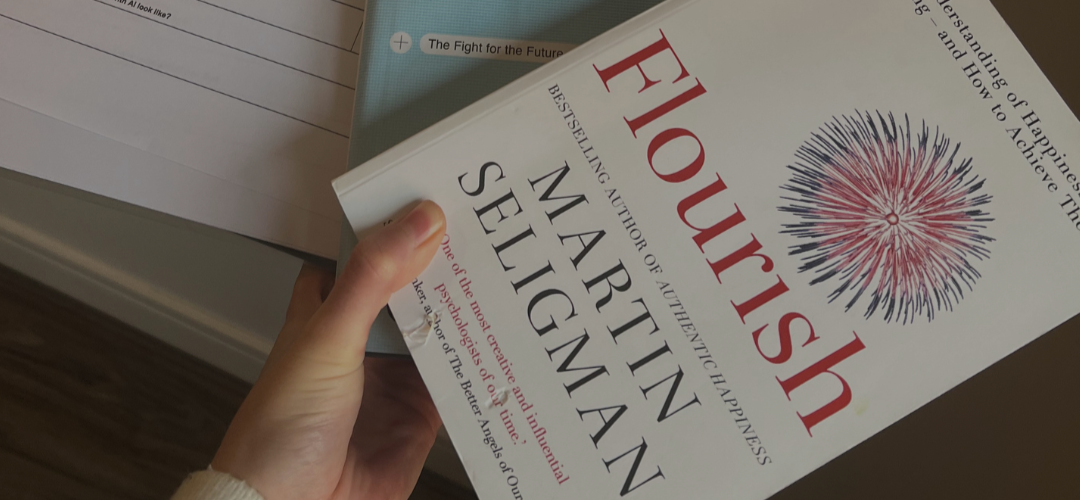
Seligman, M. (2011) Flourish: A New Understanding of Happiness and Well-Being – and How to Achieve Them, Nicholas Brealey Publishing, Great Britain
VanderWeele, T.J. (2017) On the promotion of human flourishing, Proceedings of the National Academy of Sciences, Vol. 114, No. 31 (online) available at https://doi.org/10.1073/pnas.1702996114 (accessed 21/06/2026)